
Fidget Toys for Anxiety
Whether you're managing anxious energy, supporting neurodivergent needs, or simply trying to stay focused through your day, fidget tools offer a quiet way to self-regulate. Our curated collection of fidget toys, sensory tools and stress relief items is designed to help both kids and adults find calm and focus, anytime, anywhere.
From pop-its and sensory strings to putty, magnetic balls, acupressure rings and silicone worry stones, each piece invites the kind of repetitive movement that gives restless hands somewhere to go. These calming fidget toys work for school, therapy sessions, work-from-home desks, and everything in between.
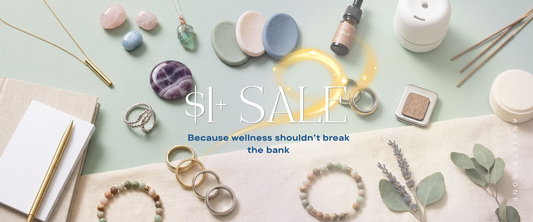
Most of what's here is under $10, which is deliberate. A fidget tool only helps if it's already where you are, so buy two and keep one at work.
No products found Use fewer filters or remove all
Frequently asked questions
Do fidget toys actually help with anxiety?
Many people find that giving restless hands a job makes it easier to sit through a difficult moment, and that it redirects the energy that would otherwise go into nail biting or skin picking. It isn't a treatment and won't replace therapy or medication. It's a small practical thing you can reach for.
Which fidget toy should I start with?
Depends what your hands want to do. If you want something quiet for work, an acupressure ring or a worry stone. If you're at home and want more to work with, putty or a pop-it. Most of what's here is under $10, so trying two is a low-risk way to find out.
Are fidget toys just for kids?
No, though most are marketed that way. Adults fidget for the same reasons children do. The difference is that adults usually need something quieter and less obviously a toy, which is why acupressure rings, worry stones and fidget rings tend to suit better than clicking toys.
What's the quietest fidget toy?
An acupressure ring, a worry stone or putty. All three are silent and can be used one-handed under a desk or in a pocket. Pop-its and activity boards make noise, so they're better suited to home than to a meeting.
Do fidget toys help with ADHD?
Many people report that a repetitive motion helps them stay with a task rather than drifting off it. Everyone's different and this isn't a clinical recommendation. If a subtle tool doesn't hold your attention, something with more resistance or texture usually works better.
Are these safe for young children?
The silicone worry stones, pop-its and putty are soft and made for smaller hands. Magnetic ball sets are not suitable for young children, as swallowed magnets are a serious hazard. Check the individual product page before buying for a child under eight.
Do you ship to the US?
Yes. We ship to Canada, the United States and internationally from Kitchener, Ontario. Canadian orders arrive without surprise customs charges. Duties may apply outside Canada.